
Fighting back against the ‘silent killer’
High blood pressure, also known as hypertension, is often called a “silent killer” because it usually has no symptoms. It can affect all age groups: children, young adults, adults and older adults. High blood pressure quietly damages blood vessels and leads to serious health problems.
There is no cure. But using medications as prescribed and making lifestyle changes can improve your quality of life and control your blood pressure. These actions also can reduce your risk of heart disease, stroke, kidney disease and more.
Blood pressure numbers for all ages
Is your blood pressure in a healthy range? The best way to know is to get your blood pressure checked.
If you’re diagnosed with high blood pressure, you should monitor your blood pressure regularly. Knowing your numbers can alert you to changes in your blood pressure and help you see patterns. Tracking your results over time will also show if lifestyle changes you’ve made are working. Tracking your numbers also can help your health care professional monitor how treatments are working.
Symptoms include: chest pain, shortness of breath, back pain, numbness, weakness, change in vision or difficulty speaking |
You can get more information from

Diabetes basics
You’ve had to make diabetes care fit with family, work, school, holidays, and everything else in your life. Here’s our short list of tips to help.
Tips for living well with diabetes
Healthy eating
Being active
Managing stress
Getting enough sleep
Healthy habits
Resources and support
Diabetes self-management education and support (DSMES) can help you:
Everyone with diabetes can benefit from DSMES, whether they’re newly diagnosed or have had it for several years.
If you’re diagnosed with high blood pressure, you should monitor your blood pressure regularly. Knowing your numbers can alert you to changes in your blood pressure and help you see patterns. Tracking your results over time will also show if lifestyle changes you’ve made are working. Tracking your numbers also can help your health care professional monitor how treatments are working.
You can get more information from
Stay in the Know
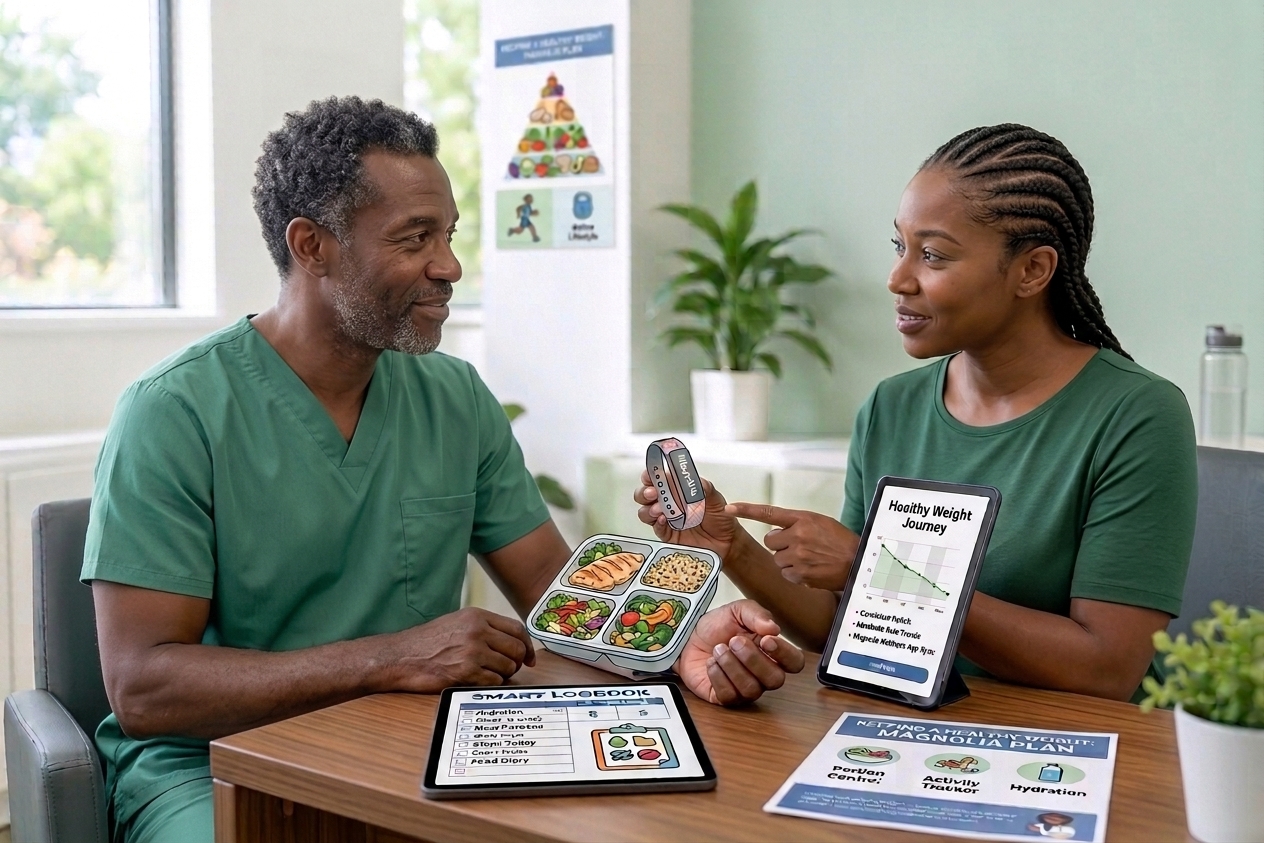
Your doctor or health care team can help you figure out if your weight is healthy for your age and body. A healthy weight helps your brain and heart function better.
Learn Your BMI
Body Mass Index (BMI) is a number that relates your weight to your height. Optimal BMI is less than 25. Less than 18.5 is underweight. You can calculate BMI online or see your health care professional.
Understanding Calories
Calories is how we talk about energy. They are the energy our body gets from foods and what we drink, which it uses for things like moving and breathing. Eating too many calories and not being active enough can lead to weight gain.
Ideas for Weight Management
Tips for Success
If you’re diagnosed with high blood pressure, you should monitor your blood pressure regularly. Knowing your numbers can alert you to changes in your blood pressure and help you see patterns. Tracking your results over time will also show if lifestyle changes you’ve made are working. Tracking your numbers also can help your health care professional monitor how treatments are working.
You can get more information from
Patient
October, 2026
Patient
October, 2026
Patient
October, 2026

At Magnolia Star Health Services, our trusted clinicians will partner with you to provide evidence-based, compassionate health care that is patient-centered and accessible wherever you are.